
Toyota Camry (XV70): Inspection
INSPECTION
PROCEDURE
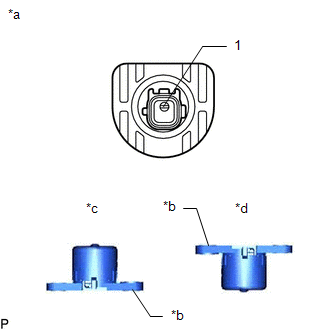
1. INSPECT ENGINE OIL LEVEL SENSOR
| (a) Measure the resistance according to the value(s) in the table below. Standard Resistance:
If the result is not as specified, replace the engine oil level sensor. |
|
READ NEXT:
 Installation
INSTALLATION PROCEDURE 1. INSTALL ENGINE OIL LEVEL SENSOR
(a) Install the engine oil level sensor to the oil pan sub-assembly with the 2 nuts.
Torque: 10 N·m {102 kgf·cm, 7 ft·lbf} (b) Install
Components
COMPONENTS ILLUSTRATION
*1 ENGINE OIL LEVEL SENSOR
*2 NO. 2 OIL PAN SUB-ASSEMBLY
*3 OIL STRAINER SUB-ASSEMBLY
*4 OIL STRAINER GASKET
N*m (kgf*cm, f
Removal
REMOVAL CAUTION / NOTICE / HINT
The necessary procedures (adjustment, calibration, initialization, or registration) that must be performed after parts are removed and installed, or replaced during e
SEE MORE:
Components
COMPONENTS ILLUSTRATION
*A w/ Dust Cap
- -
*1 FUEL PRESSURE SENSOR (FUEL DELIVERY PIPE WITH SENSOR ASSEMBLY LH)
*2 FUEL PIPE PLUG SUB-ASSEMBLY
*3 DUST CAP SUB-ASSEMBLY
*4 O-RING
*5 NO. 1 FUEL INJECTOR BACK-UP RING
*6 NO. 2 FUE
Components
COMPONENTS ILLUSTRATION
*1 AIR CONDITIONER PRESSURE SENSOR
- -
N*m (kgf*cm, ft.*lbf): Specified torque
? Non-reusable part
Compressor oil ND-OIL 12 or equivalent
- -
© 2023-2026 Copyright www.tocamry.com
